
Adapted from an independent clinical review by Dr. Andrew. Original review: https://ai3dprinting.com.au/rayshape-edge-mini/. All opinions are those of the original reviewer; RAYSHAPE and its distributors had no involvement in authoring or editing the source review.
The dental 3D printer market has become increasingly competitive, making it harder than ever for manufacturers to differentiate their offerings. RAYSHAPE's latest entry — the Edge mini — targets the chairside (clinical) segment directly, built around a low-profile, compact footprint that makes it well-suited for space-constrained practices. [1]
In a detailed hands-on evaluation conducted by Dr. Andrew, an independent dental clinician and 3D printing practitioner based in Australia, the Edge mini emerged as a capable, budget-conscious unit that performs beyond expectations for its price point.
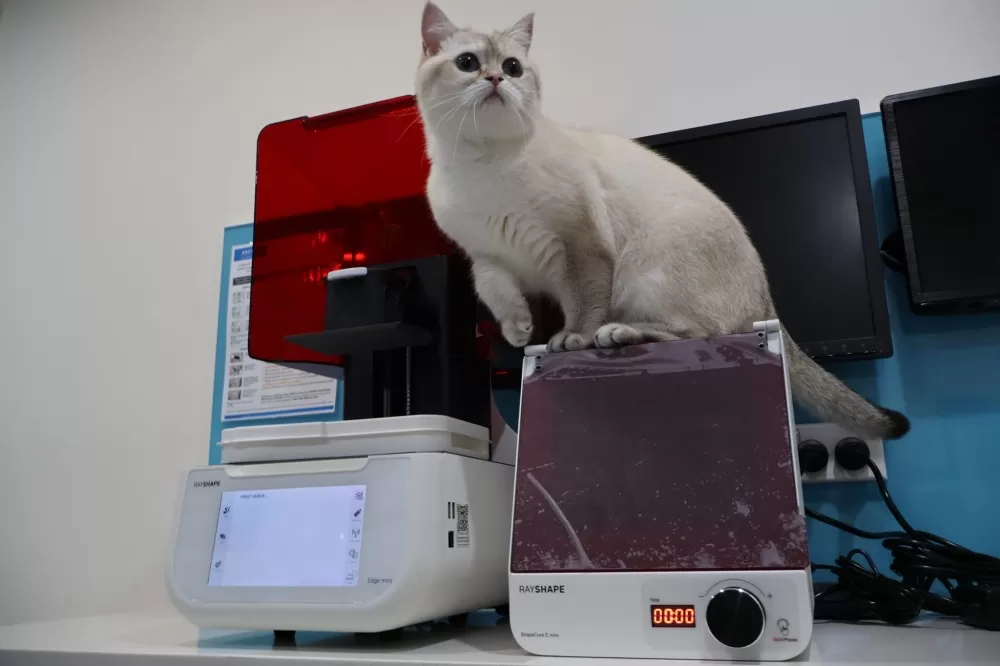
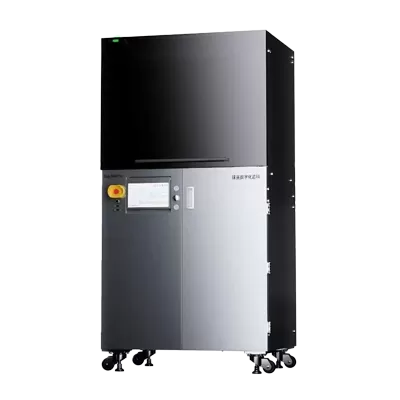
Figure 1: The Edge mini comes in a compact size with big potential
Disclaimer: The following content is adapted from Dr. Andrew's personal and independent opinion. RAYSHAPE and its global distributors were not involved in the writing, editing, or conclusions of the original review.
• Compact footprint — designed specifically for chairside installation
• Magnetic vat locking system for fast, secure vat swaps
• Heated build platform with on-device resin pre-warm function
• Dedicated mini and standard vat/build platform configurations
• Printability analysis integrated into ShapeWare 2.0 slicer
• Open resin library (actively expanding — more validated resins expected within 6–12 months)
• Consistently high print quality across common dental applications
• Competitive print speeds without sacrificing output accuracy
The Edge mini is RAYSHAPE's most compact dental 3D printer to date. At roughly the weight of a few bananas, it is remarkably light for a professional-grade dental unit — a design choice that has both practical benefits and a minor ergonomic caveat (discussed further in the Printing Experience section below).
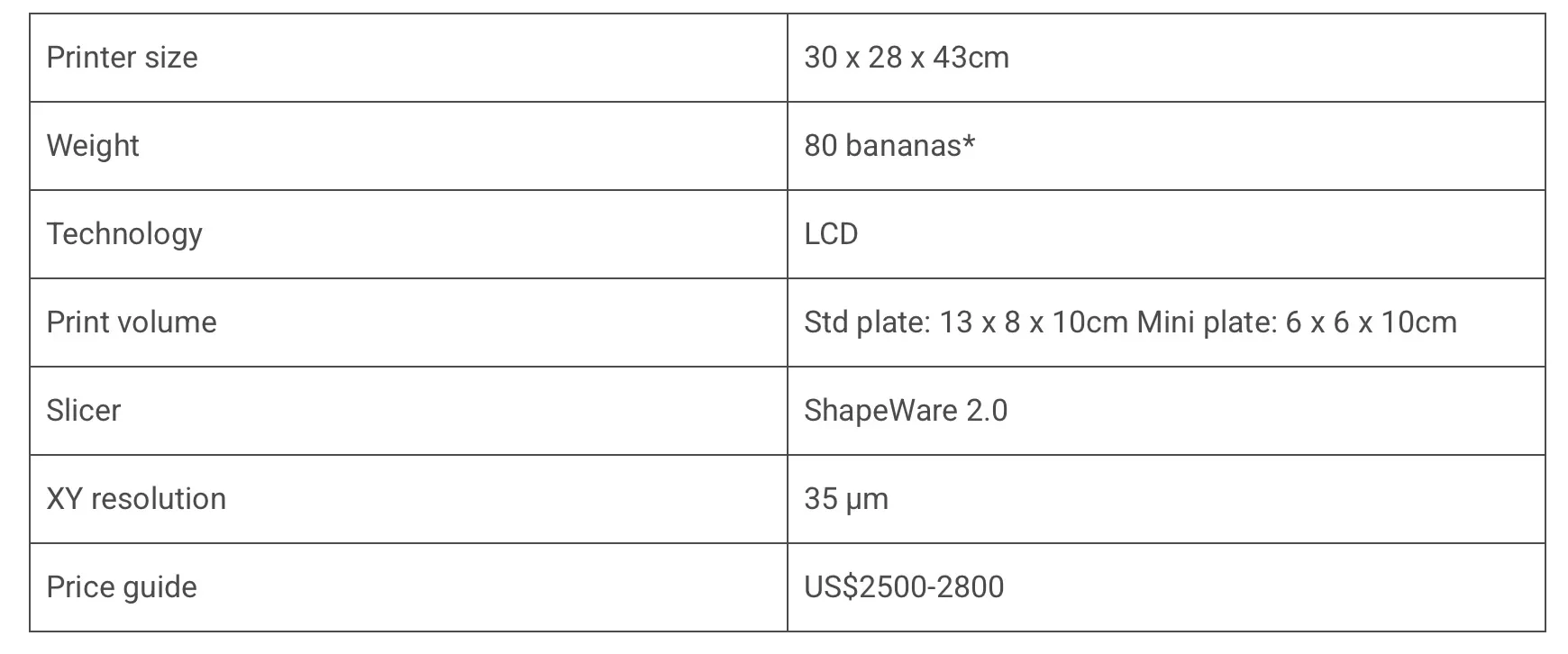 Figure 2: RAYSHAPE Edge Mini — product overview.
* 1 banana = 0.15kg
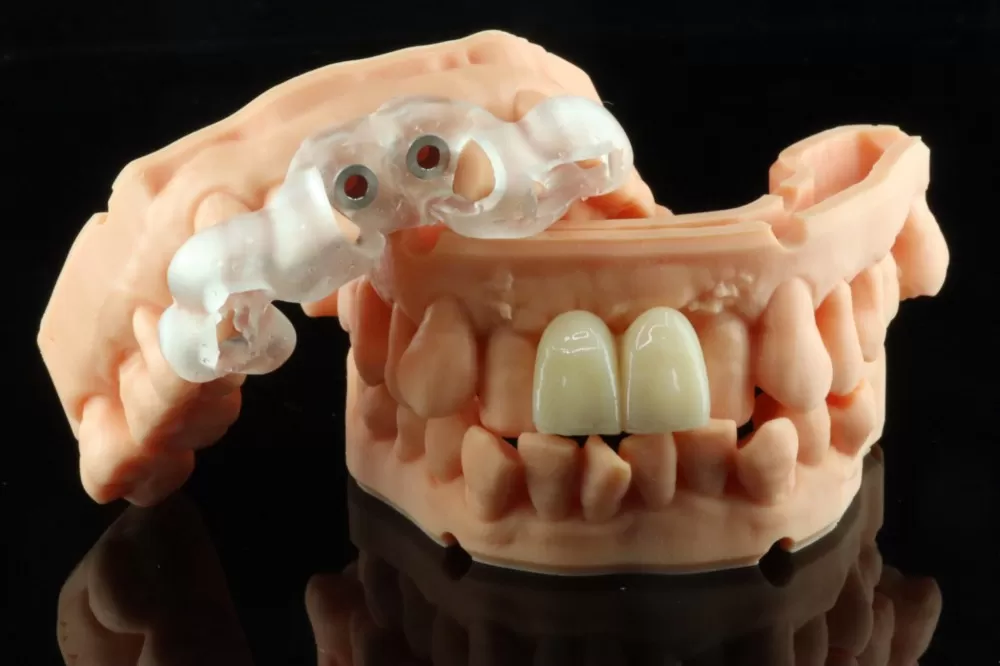
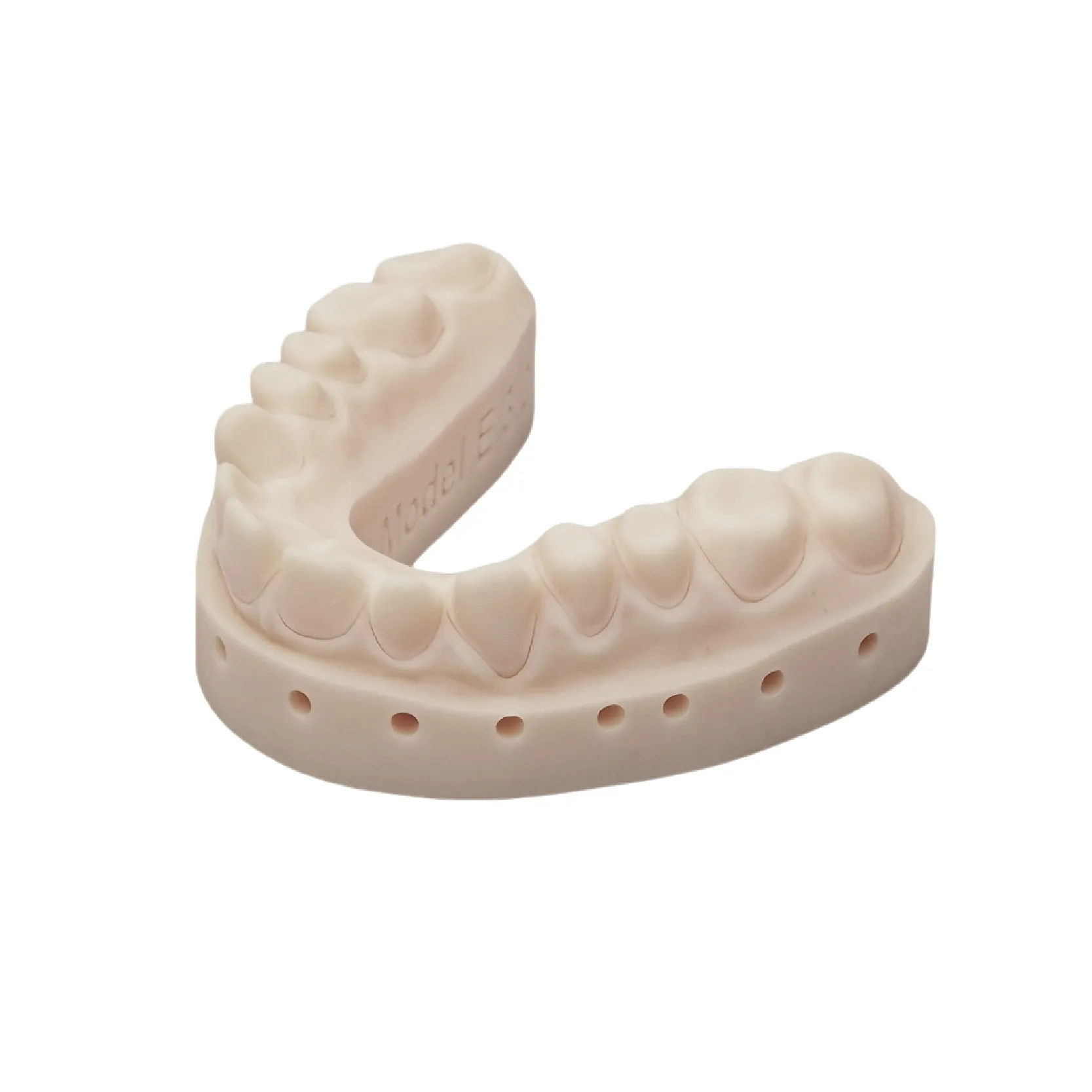
Figure 3: Some really nice prints can be achieved consistently with the Edge Mini.
According to Dr. Andrew, the set-up experience of the Edge mini was very straightforward — from unboxing to running a first print, the process took fewer than 15 minutes. The Z-axis arrived pre-levelled and required no manual calibration. Should re-levelling ever be needed, a guided wizard accessible via the printer's onboard UI walks the operator through the procedure. [1]
Network connectivity proved predictable and simple, though the absence of an over-the-air (OTA) firmware update function was noted as a feature worth adding in a future revision. Resin vats ship with matching covers, which has become a standard convenience across most professional dental printers on the market. [1]
For clinicians new to 3D printing, a digital manual is accessible directly from the printer's interface — eliminating the need to search for a physical instruction booklet. [1]
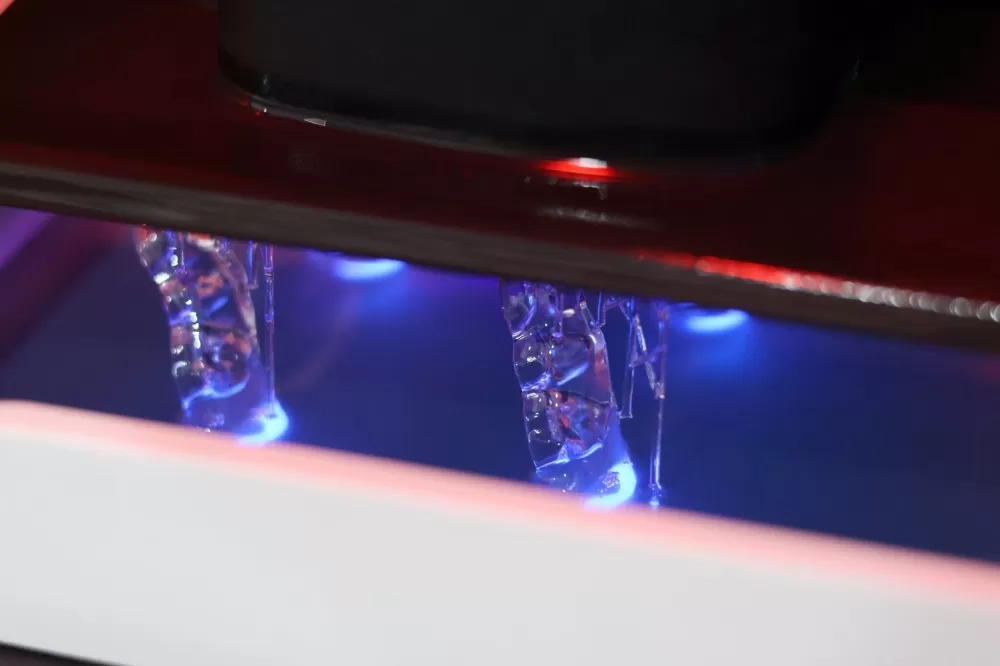
Figure 4: Keysplint Soft nightguards being predictably printed using the Edge Mini.
ShapeWare 2.0 requires neither dongles nor mandatory Wi-Fi authentication to operate — a deliberate design choice that simplifies clinical deployment. The overall workflow from file import to print-file export is described as fluid, following the familiar dental slicer pattern of selecting appliance type, designating the target resin, and setting layer height. [1]
When the host PC and the Edge mini share the same Wi-Fi network, sliced print files can be dispatched directly to the printer — jobs are transmitted quickly and consistently. Print jobs must be started from the printer itself. New users should note that adding a printer to the software is done via the "Device Manager" sub-section within "Manage Platform" — an easy-to-miss location in the current UI. [1]
ShapeWare 2.0 also includes useful model-editing capabilities: well-cropped intraoral scans can be converted into printable models directly within the slicer, alongside standard hollowing and infill tools. [1]
The headline feature is "One-Click" printing — an automated pipeline handling nesting, orientation, support generation, and slicing for supported applications such as models and crowns. Dr. Andrew found the concept promising but reported the function to be occasionally unpredictable in the current implementation. Support placement on surgical guides and restorations in particular warrants manual review before committing to a print run, and isolated instances of supports failing to attach during slicing were observed. These issues are expected to be resolved through forthcoming software updates. [1]
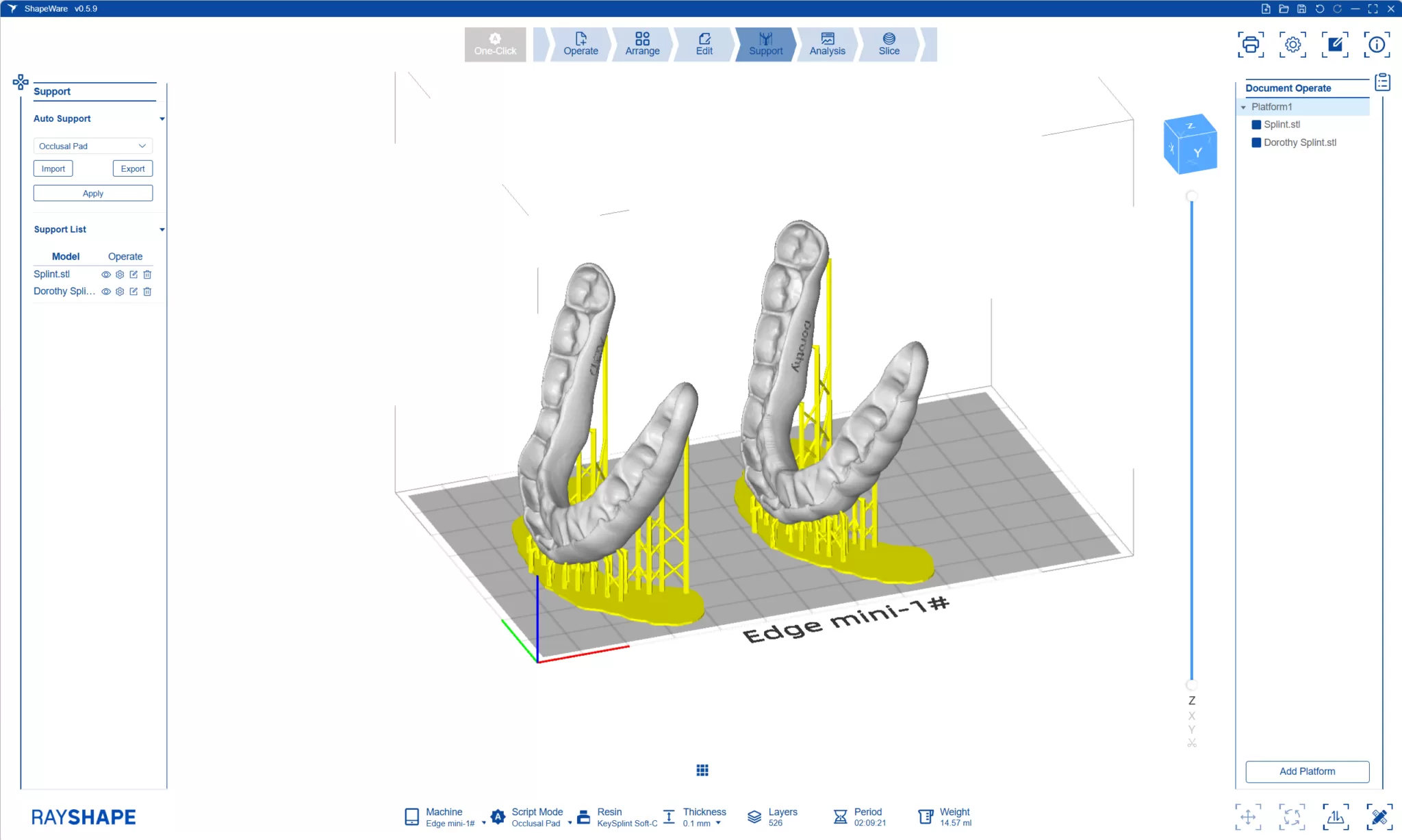 Figure 5: ShapeWare 2.0 generally works well, but support positioning and orientation should be checked closely for surgical guides and restorations.
The Edge mini operates as an open resin system. As of the review date, the validated resin library is not yet extensive — though the RAYSHAPE team is actively working to expand it. Based on pipeline information shared with Dr. Andrew, he anticipates that users will be notably pleased with new additions within the coming 6 to 12 months. [1]
Ceramic-filled resins for temporary and definitive restorations are currently limited on the mini plate configuration, meaning clinicians specifically focused on restoration workflows may need to wait a little longer. That said, validated resins for the most common dental applications — surgical guides, splints, models, and nightguards — are already available, so the majority of chairside workflows can be executed on the Edge mini today. [1]
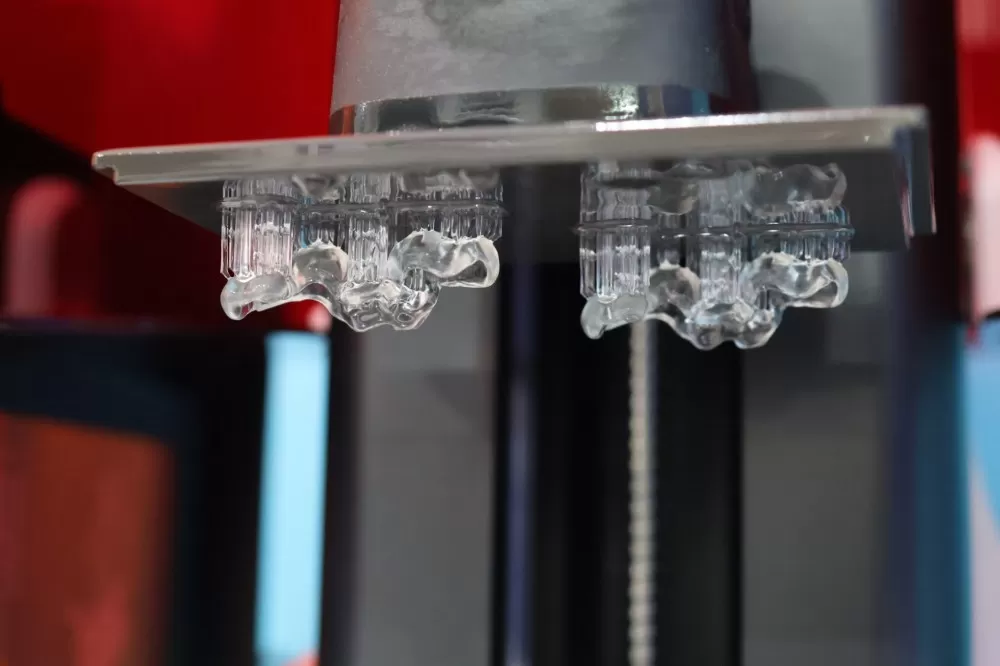
Figure 6: Surgical guides printed using RAYSHAPE's own surgical guide resin.
Dr. Andrew described the Edge mini printing experience as better than expected given its price positioning. Throughout the entire evaluation, zero hardware-associated failures were recorded — a strong indicator of the unit's build reliability. The Edge mini uses a vat heating system, and the on-device resin pre-warm option brings the material up to optimal viscosity in a matter of minutes. [1]
The compact, lightweight form factor is well-suited for practices looking to enter dental 3D printing without a large capital outlay or a significant bench-space commitment. One caveat noted was the unit's low mass: the reviewer observed that the Edge mini can be shifted unintentionally if bumped or if the lid is raised quickly — something to be mindful of when the resin vat is loaded. During operation, the printer is quiet enough to run chairside without disrupting patients or clinical staff. [1]
Representative print times at 100 µm layer height:
• Full-arch models (horizontal orientation, direct-to-plate): ~25–30 minutes
• Surgical guides: ~35–40 minutes
• Premolar crown (vertical, supports 3 mm from plate, BEGO TriniQ resin, mini plate): ~15–17 minutes
One minor ergonomic note: the build plate surface has a pronounced texture that can leave paper-towel fibres behind during cleaning. Using pre-soaked disposable wipes is recommended over dry paper towels to keep the plate surface clean and fibre-free prior to printing. [1]
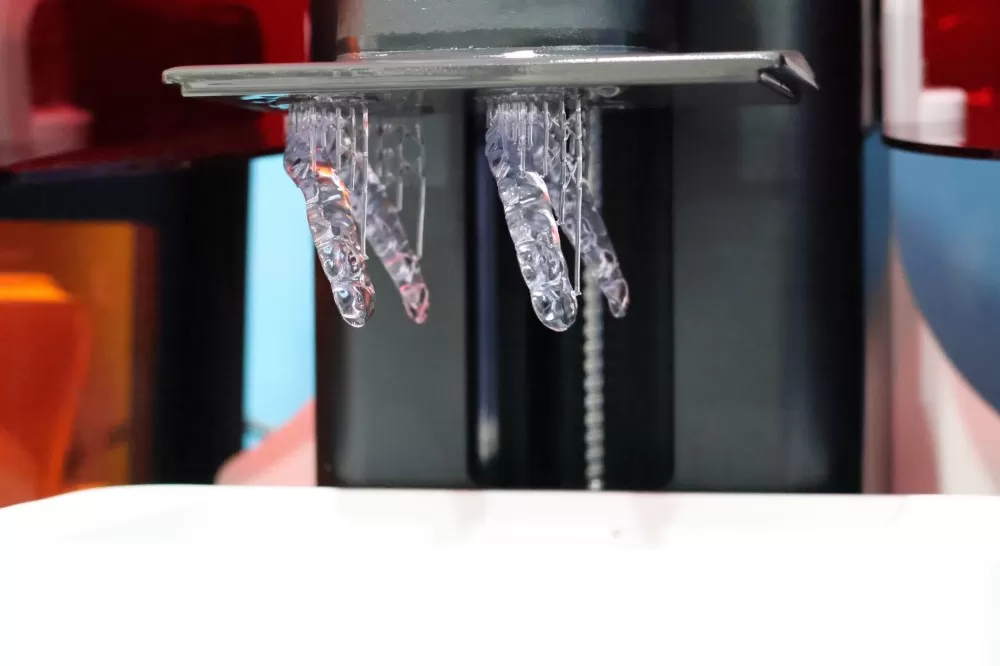
Figure 7: Splints that print predictably and fit without adjustment.
Print quality from the Edge mini is described as great overall. The electromagnetic vat locking mechanism earned specific praise: the vat seats securely and is straightforward to insert and remove. Build plate removal is equally smooth. Resin warming via the heated build platform takes only a couple of minutes — a small but meaningful quality-of-life feature in a busy clinical environment. [1]
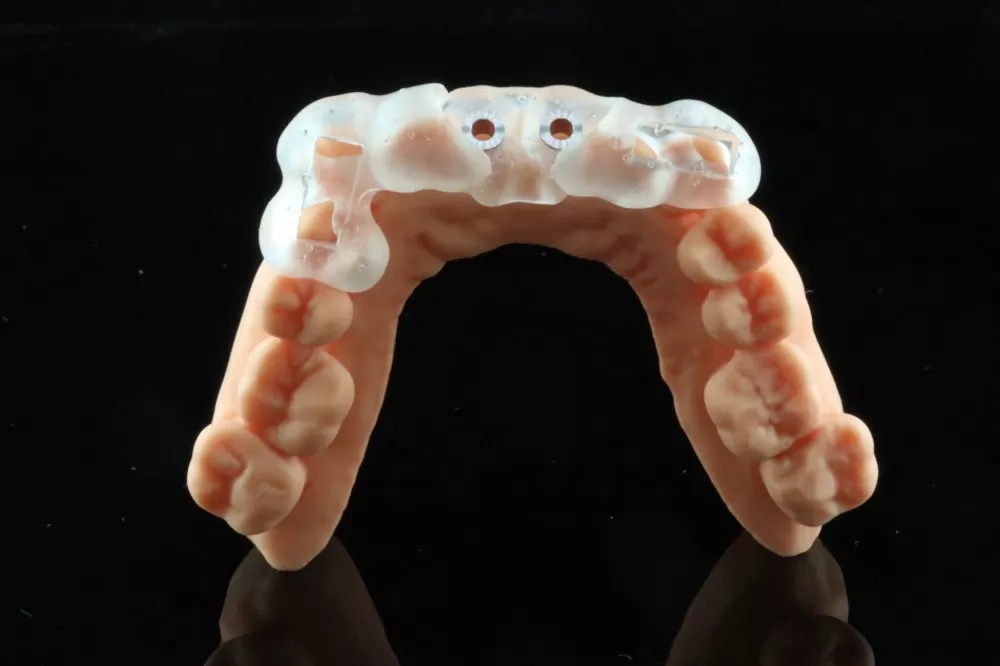
Figure 8: Consistently excellent prints from this compact unit.
In Dr. Andrew's assessment, RAYSHAPE has successfully executed on its goal of delivering a credible chairside 3D printer at an accessible price point. The Edge mini's hardware specifications are solid, and the unit definitively punches above its weight. The two primary areas for development — the validated resin library and the robustness of the One-Click slicing function — are both addressable through ecosystem expansion and software updates, and RAYSHAPE appears actively positioned to make progress on both fronts. [1]
Overall, the Edge mini is positioned as a great compact unit for low-to-medium production volume workflows, particularly for practices on a modest budget that still want a relatively hassle-free chairside 3D printing experience. [1]
✅ 3 Reasons to Get It | ⚠️ 3 Reasons to Consider Carefully |
Great print quality consistently across common dental applications | One-Click print function currently optimised for models and crowns only; surgical guides and restorations require manual support review |
Compact size that fits practically any available chairside space | Validated resin library would benefit from further expansion, especially ceramic-filled restorative resins |
Favourable cost-to-effectiveness ratio for budget-conscious practices | Slicer support settings can be unreliable for restorations (crowns, inlays, onlays); manual verification recommended |
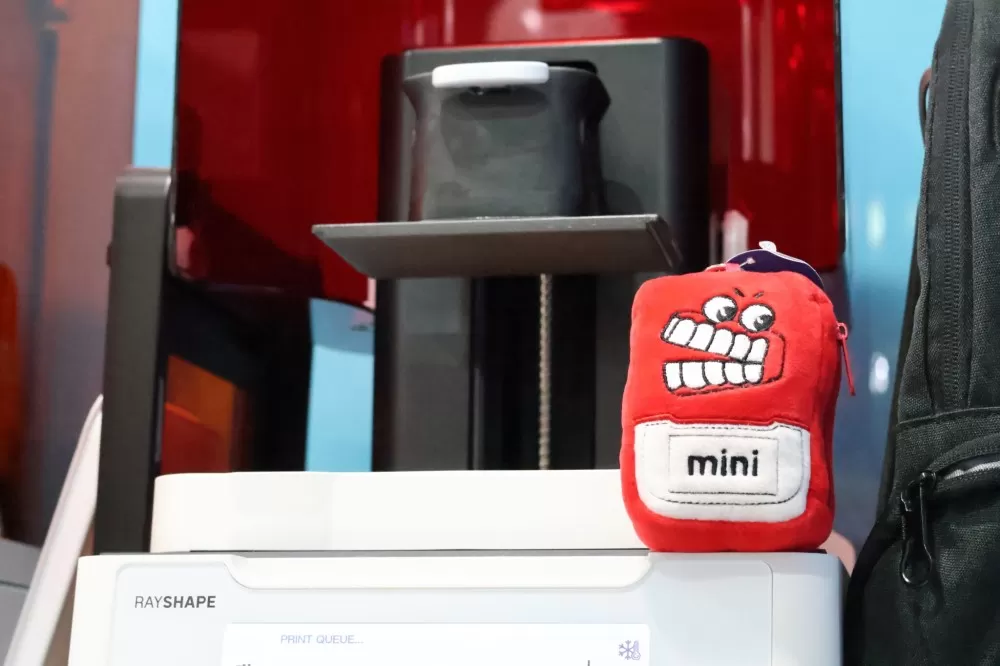
Figure 9: The Edge Mini's mascot — arguably the most endearing of any dental 3D printer on the market.
[1] Andrew. (2025). RAYSHAPE Edge Mini Review: A Compact Solution for High-Precision Chairside Dental Manufacturing. AI 3D Printing Australia. https://ai3dprinting.com.au/rayshape-edge-mini/. All clinical observations, print-time benchmarks, and user-experience assessments cited herein are drawn from this original independent review. RAYSHAPE had no involvement in authoring or editing the source material.
RAYSHAPE B.V.
RAYSHAPE B.V.






 cn
cn
 EN
EN
 jp
jp  ko
ko  fr
fr  de
de  es
es  it
it  ru
ru  ar
ar  vi
vi  fa
fa  tr
tr  hi
hi  th
th